What Parents Actually Want to Hear in That First January Email
Your first January email sets the tone for the whole year. Here’s what to actually say — and what to skip.

Bill AB 176 eases the path for childcare centers to either expand their current operations or open a new facility by bypassing the very strict 2023 fire safety and building codes.
TK is reshaping the California childcare landscape — and not in the way you might expect. Here’s an honest read for providers.

Steady enrollment in a tight economy doesn’t come from price cuts or louder marketing. It comes from trust, retention, and clarity. Here’s how to build it.
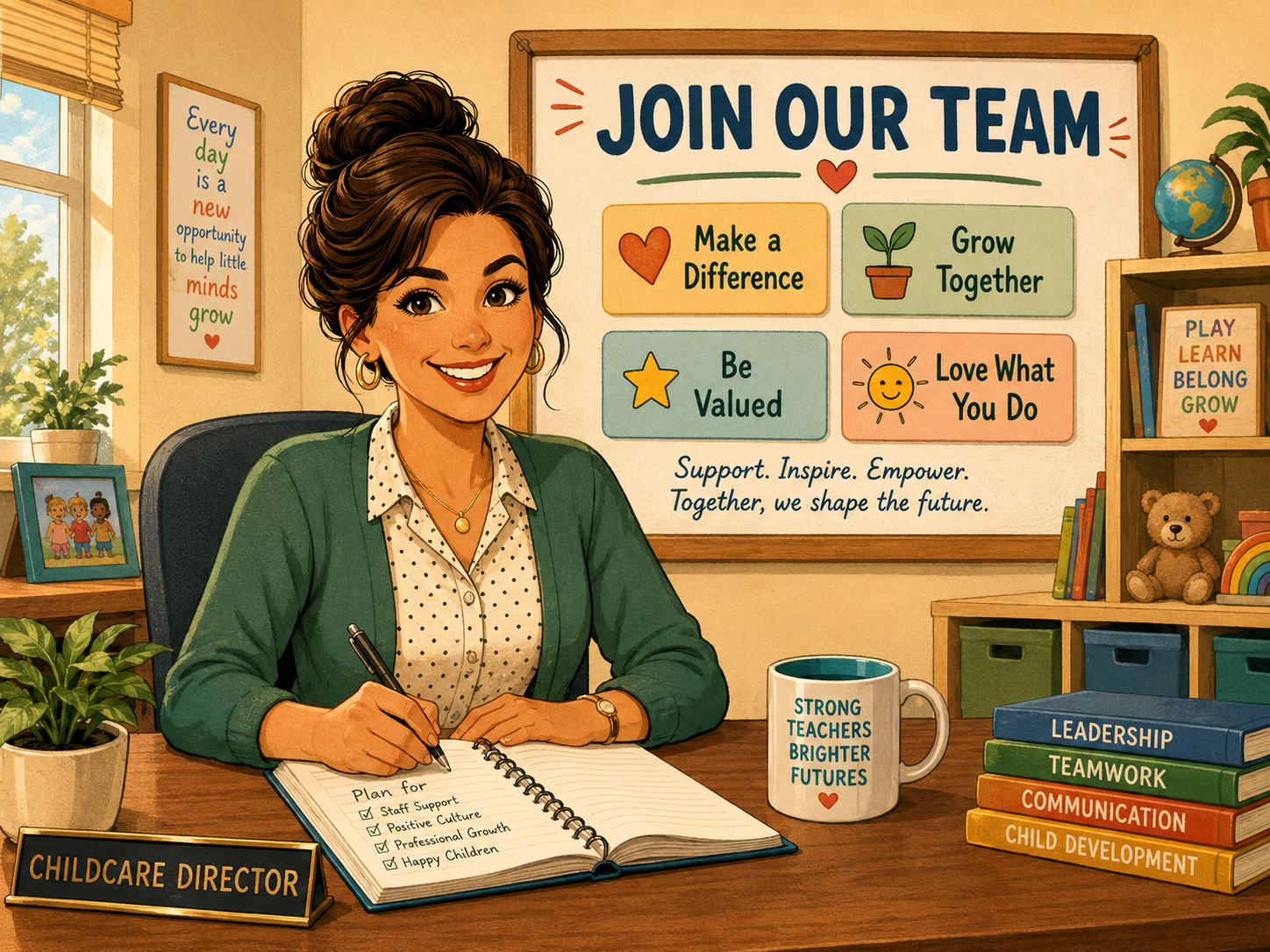
Posting on the same job board and waiting isn’t a strategy anymore. Here’s what’s actually working for childcare hiring right now.
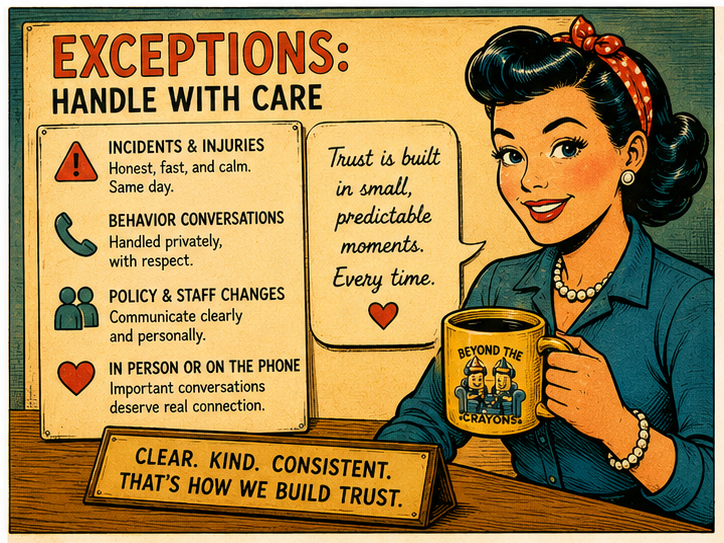
Good parent communication isn’t more communication. It’s the right communication, at the right time, through the right channel. Here’s how to design it.

Subsidy paperwork doesn’t have to ruin your evenings. Here’s a system that actually works for keeping CCRC submissions clean and on time.
Mixed-age classrooms aren’t a workaround. Done right, they’re a powerful environment for kids. Here’s how smaller centers and FCCs actually make it work.
Licensing visits feel scary because most providers prepare in panic. Here’s how to be quietly ready, year-round, without living in fear.
Provider burnout isn’t a personality problem. It’s what happens when a person is asked to do the work of three people for years on end. Here’s what we’re seeing — and what’s helping.